The Coverage That Pays Even When Your Athlete Returns to Play
Most people think disability insurance only pays when a career ends permanently. That understanding leaves a significant gap in how families think about protection. Disability and Critical Injury coverage is not only about permanent outcomes. It is about the injuries that happen in the middle of a career — the ones that cost a season, change a draft position, or alter a contract negotiation — regardless of whether the athlete eventually comes back.
How Critical Injury Coverage Actually Works
A Critical Injury rider pays a cash benefit when a covered injury occurs and meets the policy criteria — typically requiring surgical repair within a specified timeframe. This benefit pays based on the injury event itself, not on whether the athlete's career ends. A wide receiver who tears their ACL in October, has surgery in November, and returns to the field the following August can still collect a benefit from their Critical Injury coverage. The career continuing afterward does not cancel the claim. This is the part of the conversation that consistently surprises families most.
The Injuries That Qualify
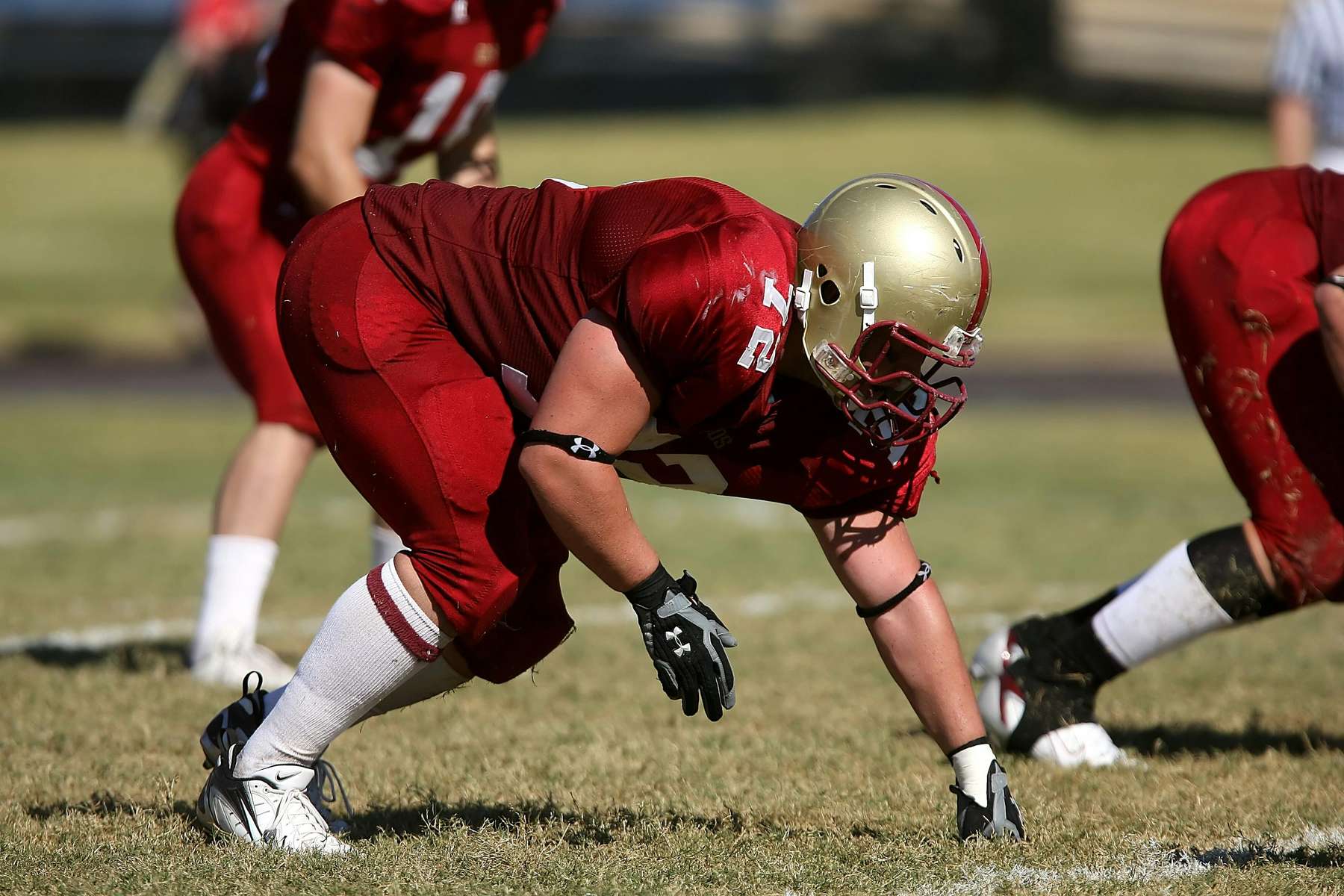
Common qualifying injuries include torn ACL, torn Achilles, torn patellar tendon, torn rotator cuff, torn UCL requiring Tommy John surgery, knee and ankle dislocations, herniated discs requiring surgery, significant fractures requiring surgical repair, heart attack, and cancer. These are not rare events. These are the injuries that happen every week across college sports.
Why the Window Closes
Coverage is underwritten based on your athlete's current health. Once a significant injury has occurred, it becomes a pre existing condition and coverage may no longer be available at any price.The time to put this in place is before the season, not after the injury.I have spoken with families who called the week after a torn ACL and had to hear that the window they needed had already closed. Those conversations are completely preventable.
Coverage Amounts Are Based on Earning Potential
Benefit amounts depend on your athlete's current earning potential — their projected professional value, existing NIL income, sport, and year of eligibility. Schedule a consultation before the next season begins. We will determine what your athlete qualifies for and make sure coverage is in place while the window is still open.
"The best time to put coverage in place is before anything happens. The second best time is right now." — Marty McNair